Recognize the Job of a Landscaper in Developing and Sustaining Thriving Exterior Settings
The purpose of a landscaper is much more than mere aesthetics. They blend creative skill and ecological principles to design long-lasting green spaces. Via thoughtful picking the right plants and deliberate planning, they boost practical use while fostering species variety. However, the impact of their work reaches far beyond individual properties. Recognizing the multifaceted responsibilities of landscapers shows profound consequences for community well-being and environmental health. What factors truly drive their choices in forming these essential green spaces?
The Craft and Discipline of Creating Landscapes
Although people often view landscape design as merely an aesthetic pursuit, it deeply integrates art and science guide to create balanced exterior settings. A effective landscape designer has to know the rules of planning, including balance, proportion, and rhythm, while also taking environmental elements into account. The blending of indigenous flora, soil types, and regional environments plays an essential role in establishing sustainable environments.
By employing artistic elements like color, texture, and form, landscape designers fashion beautiful areas that resonate with human emotions. In parallel, scientific knowledge guarantees that these designs are viable and enduring, handling problems such as drainage, plant growth, and pest management.
Through this marriage of creative skill and ecological knowledge, landscapers convert ordinary areas into dynamic, useful spaces that improve people's quality of life and promote appreciation for the outdoors. In conclusion, landscape design is a reflective practice that encourages a deeper appreciation for the surrounding world.
Key Abilities and Requirements of a Landscaper
In order to thrive in the field of landscaping, individuals must possess a varied collection of talents that blend specialized expertise with real-world application. A firm grasp of horticulture is fundamental, allowing them to choose the right flora and comprehend their growth requirements. Proficiency in landscape design software holds growing significance, which helps experts to develop precise blueprints and mock-ups for patrons.
In addition, physical stamina and manual dexterity are crucial, as landscaping frequently requires carrying heavy weights, excavation, and using equipment. Communication skills are crucial, which permits them to work closely with customers and colleagues efficiently.
Formal education in design principles or a relevant area improves a landscaper's professional standing, and professional certificates from recognized organizations can solidify their knowledge. Finally, a combination of these skills and credentials prepares landscapers to create beautiful and practical exterior areas, fulfilling the diverse needs of their clients.
Choosing and Acquiring Flora for Optimal Growth
A landscaper's skill in picking and acquire vegetation is essential for developing successful exterior spaces. This process necessitates a sharp awareness of botany, environmental factors, and earth varieties. Through assessing the unique location factors, landscapers are able to pinpoint plants that will thrive in the given environment, leading to perfect cultivation and hardiness.
Additionally, acquiring vegetation from trusted growers or nearby cultivators is vital. This does more than ensure the well-being and standard of the plants but helps maintain environmentally sound operations. Landscapers often consider native plants, which are suited to regional environments and require less maintenance, making them an environmentally friendly choice.
Furthermore, the selection process must account for variations across seasons, making sure the area looks fresh in every season. By deliberately picking a diverse range of plants, landscapers design attractive environments as well as encouraging ecological variety and natural harmony, ultimately leading to sustainable outdoor environments.
Creating Functional Outdoor Spaces: Structure and Aesthetics
Designing usable outdoor environments demands close attention of layout and design to guarantee effective space utilization. A skilled landscaper balances aesthetic appeal with usable features, improving the enjoyment of the area. Thoughtful design doesn't just increase utility but complements the adjacent environment.
Effective Space Utilization
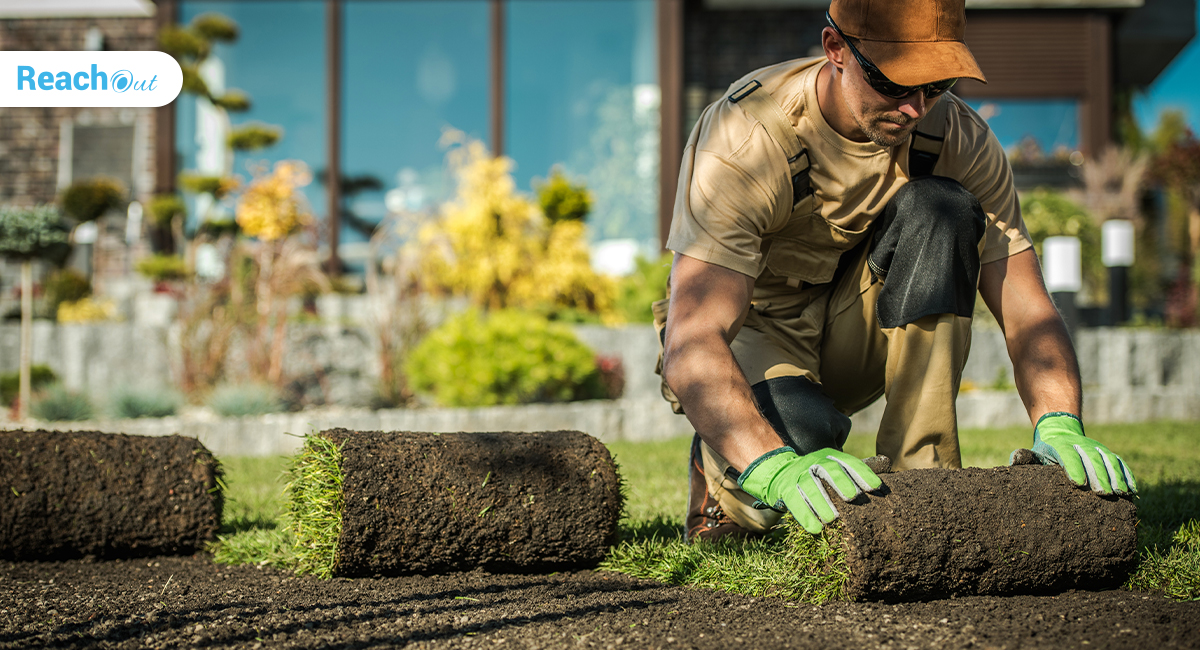
Though many residents view their outdoor spaces as only additions of their interior environments, effective space utilization transforms these areas into functional and inviting settings. Landscapers serve a crucial function in evaluating the unique dimensions and attributes of the location, making certain that all available area is utilized for purpose and relaxation. Careful planning and arrangement include features like walkways, places to sit, and gardens that facilitate transit and socializing. Navarre Landscaper. By analyzing factors like solar exposure, air currents, and current layouts, professionals establish integrated spaces that meet the lifestyle needs of the residents. This thoughtful approach boosts usability and promotes a sense of link between interior and exterior areas, turning them into essential components of a unified lifestyle
Aesthetic and Functional Balance
Establishing a perfect visual and practical harmony in exterior areas requires careful consideration of both visual features and utility. Professionals are required to examine the planned function of the space in addition to the design aesthetics. As an illustration, creating a seating area should integrate comfortable furniture while guaranteeing it complements surrounding plants and pathways. Effective layout design incorporates natural flow, allowing for easy movement and unhindered access. Adding elements such as lighting, fountains, and a mix of plants enhances both beauty and practicality. Moreover, utilizing durable materials guarantees that outdoor spaces can handle different climates, maintaining their functionality over time. Ultimately, a successful outdoor design combines aesthetic pleasure with practicality, developing spaces that invite enjoyment and cater to the needs of users.
The Importance of Environmental Sustainability in Landscaping
Environmental sustainability in landscaping is crucial to protecting nature and supporting ecological diversity. Via the selection of sustainable flora choices and applying successful irrigation methods, landscapers can establish landscapes that are visually appealing and ecologically sound. This approach boosts the visual quality but also aids in the long-term health of the local ecology.
Eco-Friendly Plant Selection
What role do professionals play to a better local ecology through their selection of flora? When choosing indigenous and water-wise flora, landscapers have a vital function in promoting environmental sustainability. Navarre Landscaper. Native plants require less water and maintenance, aiding regional fauna and minimizing the reliance on synthetic nutrients and chemical sprays. These plants develop stronger roots, enhancing soil health and curbing soil loss. Additionally, employing a diverse range of flora types encourages species richness, which is crucial to ecological durability. Landscapers can also implement organic practices, including composting and mulching, to decrease environmental impact. Through careful plant selection, they don't just create vibrant outdoor spaces but also help ensure the preservation of local ecosystems and the total vitality of the environment
Methods for Conserving Water
Landscapers can greatly enhance sustainability in outdoor environments by implementing effective water conservation techniques. One popular method is the use of xeriscaping, which requires choosing drought-resistant plants that demand minimal irrigation. Additionally, landscapers can design efficient irrigation systems, like drip irrigation, which provides moisture directly to the plant roots, reducing waste. Rainwater harvesting systems can also be incorporated, enabling the collection and storage of rainwater for landscape use. Mulching assists in keeping soil moisture and decreases water loss, which helps with water conservation. Furthermore, landscapers are able to teach clients about appropriate watering schedules to ensure efficient use of water resources. By utilizing these strategies, landscapers are essential in promoting environmental sustainability while keeping up vibrant outdoor spaces.
Maintenance Practices for Thriving Landscapes
While many may view maintenance as a routine chore, it is vital for cultivating vibrant outdoor environments. Good upkeep methods guarantee that landscapes are kept healthy and aesthetically pleasing throughout the seasons. Regular tasks involve mowing, pruning, and weeding, which encourage growth and deter pests and diseases.
Irrigation systems must be monitored and adjusted to ensure that plants receive adequate water without too much runoff. Mulching not only conserves moisture but also suppresses weeds, contributing to a cleaner appearance. Fertilization, when used wisely, provides crucial nutrients that bolster plant health.
Additionally, addressing drainage issues is essential to prevent waterlogging, which can damage root systems. Seasonal assessments let landscapers identify and address potential problems before they worsen. Through these thorough maintenance practices, landscapes will prosper, fostering environments that are both practical and visually appealing.
The Economic and Social Impact of Outdoor Environments
Although often overlooked, landscaped spaces play a significant role in boosting financial value and communal health within communities. Well-designed outdoor environments lure companies and boost land worth, as potential buyers often prioritize aesthetics and green spaces. Moreover, landscaped areas contribute to local economies by providing venues for events and recreational activities, fostering tourism and community engagement.
Socially, these areas enhance psychological health and bodily fitness, offering residents places to relax, exercise, and connect with nature. Public parks and plantings act as community focal points, strengthening communal bonds and promoting societal participation. Additionally, neatly kept outdoor spaces mitigate urban warmth, boost atmospheric cleanliness, and support ecological diversity, leading to better residential environments.
In essence, green areas do more than just enhance local aesthetics but also offer substantial economic benefits and nurture neighborhood connection, establishing them as crucial elements of flourishing societies.
Questions and Answers
What Gear Do Gardeners Utilize Routinely?
Landscape professionals routinely employ equipment like spades, garden claws, shears, grass cutters, and cultivators. Additionally, they often employ wheelbarrows, hedge trimmers, and edgers to skillfully form and preserve exterior environments in line with layout details and patron choices.
What is the Landscapers' Approach to Controlling Garden Pests?
Landscapers manage pest control using integrated approaches, including identifying pest species, using natural or synthetic applications, encouraging helpful bugs, and putting in place precautionary steps such as suitable foliage choice and environment care to keep exterior areas thriving.
What Problems Frequently Arise for Landscapers?
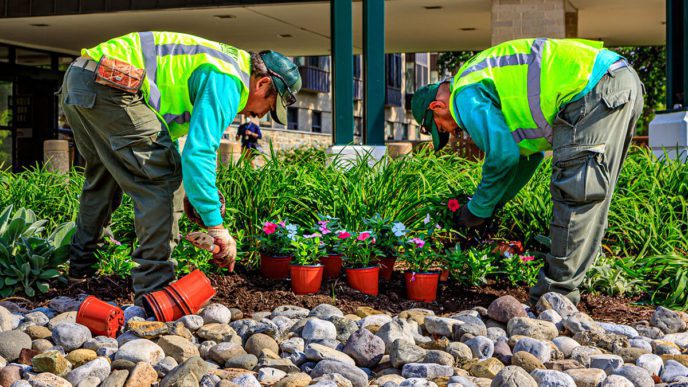
Landscape professionals frequently face issues including volatile atmospheric conditions, monetary restrictions, earth composition problems, pest invasions, and patron requirements. These elements may make project schedules difficult and influence the total achievement of the landscape project.
In What Way Does the Time of Year Influence Landscaping Work and Upkeep?
The time of year significantly affects landscape work and upkeep, because warmth, moisture levels, and sun exposure dictate plant vitality, earth quality, and pest behavior. Landscapers must adapt their strategies accordingly to guarantee successful outcomes throughout the year.
What is the usual duration for finishing a landscape design job?

A standard landscaping project timeline ranges from a couple of weeks to multiple months. Variables impacting the length include project scope, the weather, and seasonal factors, requiring careful planning and organization for a successful finish.